Introduction
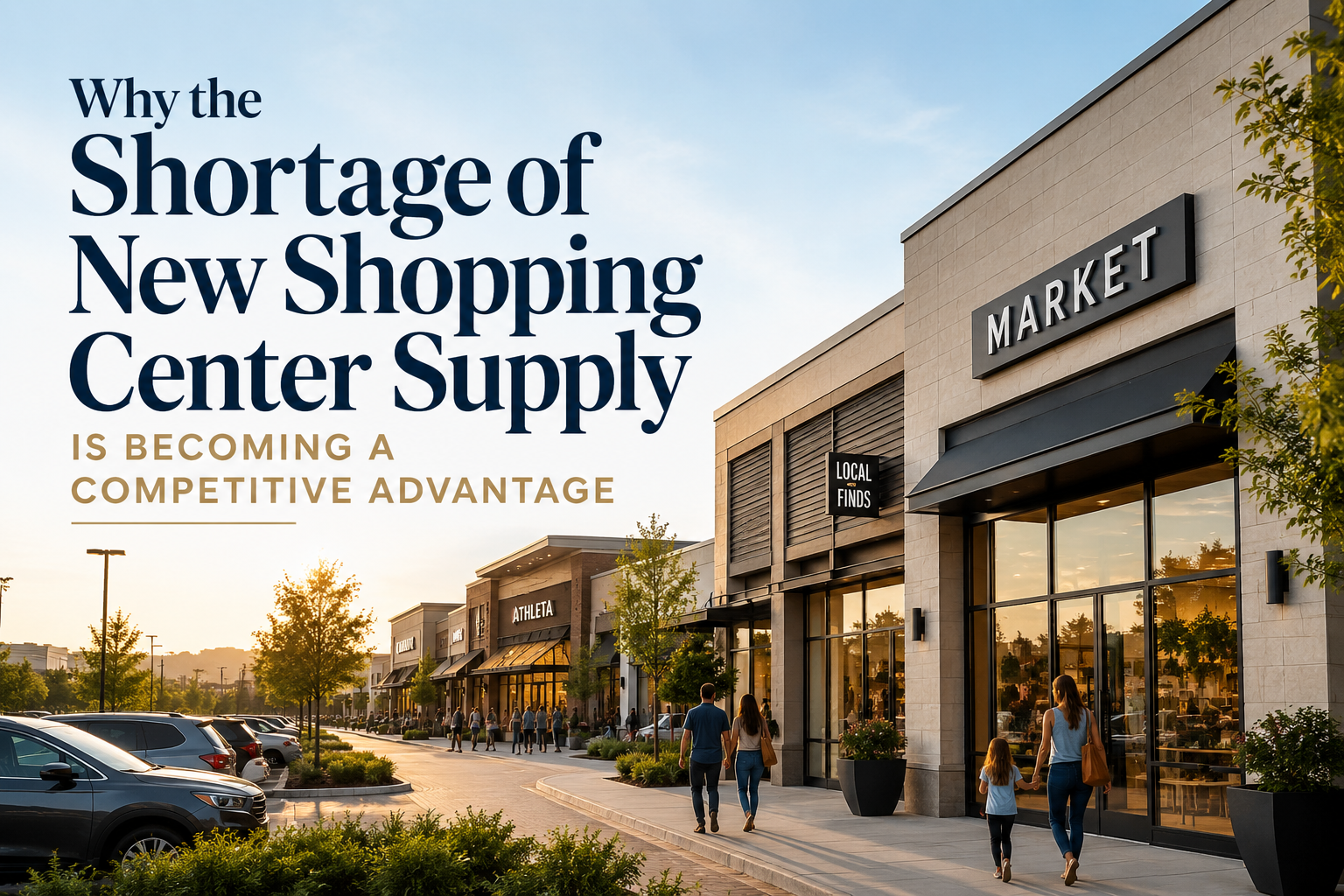
In a retail environment still adjusting to changing consumer behavior, not all shopping centers are created equal. Across Texas — and especially in fast-growing metros — a particular sub-category is pulling ahead: centers anchored by daily-needs tenants. Grocery, medical, and essential-service operators are proving resilient, making their centers attractive to investors chasing stable returns and lower downside risk.
1. Daily-Needs Retail Proves Resilient During Market Shifts
- As larger retail fluctuations affect discretionary-focused malls and luxury shopping, service-oriented centers in Houston have maintained occupancy and leasing momentum. Texas Real Estate Research Center+2Colliers+2
- Demand from tenants in service- oriented categories have held strong — reflecting a shift in consumer preferences toward convenience and necessity.
Given this stability, these centers tend to generate predictable foot traffic and rental income, regardless of broader economic cycles.
2. Lease Terms and Tenant Stability Are More Favorable Than Ever
- Essential retailers are more likely to sign long-term leases (5–10+ years) compared with speculative retail tenants, reducing turnover risk and vacancy exposure.
- These tenants tend to be less sensitive to short-term economic swings, shopping centers anchored by them enjoy stable occupancy and consistent NOI (Net Operating Income) — a key draw for institutional investors and private equity buyers.
As many retail investors shift away from high-risk, high-volatility formats, daily-needs anchored centers are emerging as “defensive” CRE plays.
3. Expansion Pipeline for Essential Retail Remains Strong
- Even while new retail supply remains modest overall, several large and regional grocery chains, discount retailers, and value-oriented tenants continue to target expansion in growth corridors across Texas.
This trend is reinforced by multiple market reports showing that grocers and value retailers remain among the most active expanding tenants in the state, with occupancy levels in major Texas metros exceeding 95%, especially in grocery-anchored formats.
(Sources: The Real Deal — Texas grocery-anchored development boom; JLL Grocery Report 2025)
This continued expansion activity suggests steady demand for well-located, anchored retail center space across Texas, even in a low-new-supply environment.
- In constrained-supply markets — where construction pipelines remain limited — grocery-anchored and service-anchored centers often command premium rents and compressed cap rates relative to older or commodity-type retail centers.
Major brokerage reports confirm that investors consistently pay a premium for these necessity-based, traffic-driving assets due to their strong tenant credit, stable cash flows, and high demand from both retailers and institutional buyers.
(Sources: Colliers Houston Retail Market Report 2025; Commercial Observer / CRE acquisition data)
This dynamic increases yield stability and asset value for investors.
Conclusion
In the evolving retail real estate landscape, shopping centers anchored by essential-service tenants are emerging as standout assets in Texas. Their resilience, stable leasing patterns, and consistent demand make them a prime target for investors seeking dependable cash flow and lower downside risk.
If you invest with a long-term horizon and aim to minimize volatility — daily-needs anchored centers may well be the most pragmatic retail asset play in today’s environment.