Introduction
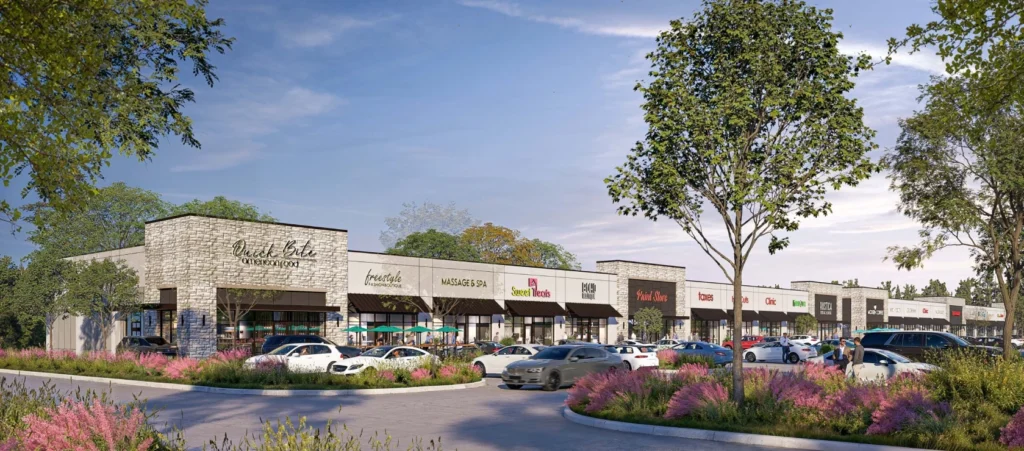
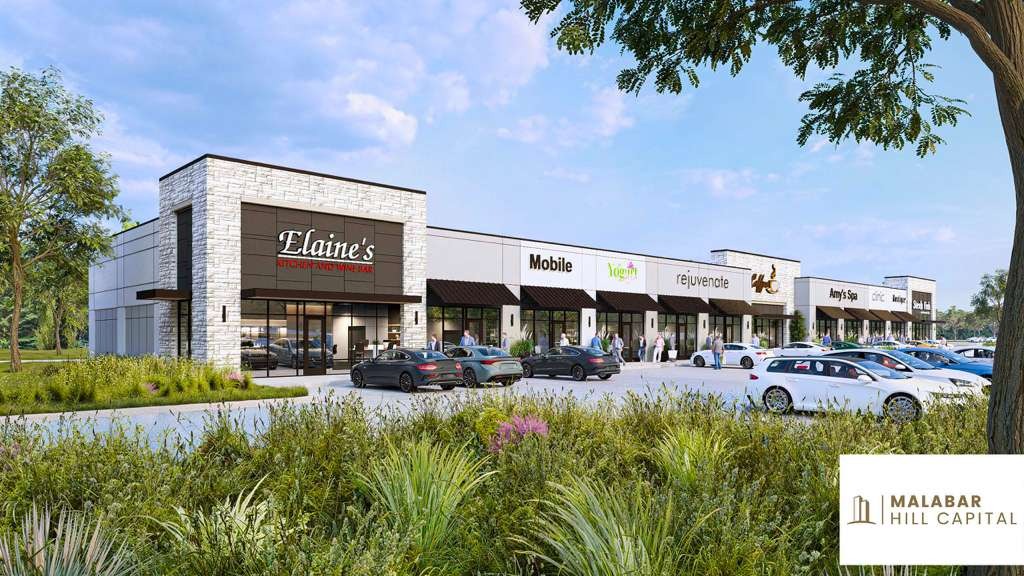
Amid shifting retail paradigms, one segment continues to demonstrate resilience — grocery-anchored shopping centers. Across Texas and major metros, including Houston and Dallas-Fort Worth, grocery-anchored retail anchors have led occupancy, tenant demand, and delivery absorption, even as other parts of the retail sector face headwinds.
Here’s why this asset type is attracting investor attention.
1. Grocery Anchors Create Reliable Consumer Foot Traffic
A dominant trend in retail real estate is the outsized role grocery tenants play in overall occupancy and leasing:
- In Dallas-Fort Worth, grocery-anchored retail is a key driver of record occupancy levels, with grocery-related space accounting for 82% of new retail construction activity in 2025.
- The high frequency of grocery visits — often weekly or more — attracts sustained foot traffic that benefits adjacent tenants, from personal services to quick-serve restaurants and fitness concepts.
This creates a multiplier effect for shopping centers beyond the grocery tenant alone.
2. Stability in Occupancy — A Shelter in Volatile Markets
Retail assets supported by essential anchors like grocers tend to show stronger resilience even during economic shifts:
- Retail centers anchored by grocery and everyday services often maintain occupancy above broader retail averages.
- In some Texas metros, grocery-anchored centers posted occupancy exceeding 95%, even amid construction of new space.
For investors, this translates to lower turnover risk, more predictable cash flow, and stronger leasing fundamentals.
3. Capital Markets Favor Grocery-Anchored Deals
Because of their predictability and strong underwriting characteristics, grocery-anchored centers continue to attract capital:
- Lenders and institutional investors often view these assets as stable income plays, particularly when leases are structured with long-term NNN terms and rental escalators.
- Performance during market cycles has reinforced the perception that grocery-anchored retail is less sensitive to broader retail headwinds than standalone boutiques or entertainment-dependent formats.
This perception improves financing terms and supports better valuation multiples over time.
4. Tenant Mix Flexibility and Spillover Demand
Grocery-anchored centers have significant flexibility when curating tenant rosters:
- High traffic from necessity shopping supports service-based tenants (clinics, salons, fitness studios), restaurants, and complementary retail.
- This diversification reduces reliance on any single tenant category and increases spillover demand during peak days.
As a result, leasing velocity and rent stability are often stronger in grocery-anchored environments.
5. What Investors Should Consider
For those evaluating shopping center opportunities, grocery-anchored retail offers several advantages:
- Enhanced occupancy durability compared with standalone retail formats.
- Stronger rent stability and tenant backstop from essential services.
- Lower operating risk thanks to diversified foot traffic drivers.
- Improved investor confidence, particularly in suburban and growth regions like Houston, DFW, and San Antonio.
Sources:
- Grocery Retail Drives Record Regional Occupancy — CRE Daily
- Retail Construction Trends — Lee & Associates report